I am a neurodivergent scientist, and I see connections where others might see isolated tasks. My perspective allows me to notice interdependencies, question assumptions, and approach problems creatively and systematically — what some might call ´non-linear´ thinking is, in fact, what drives my innovation.
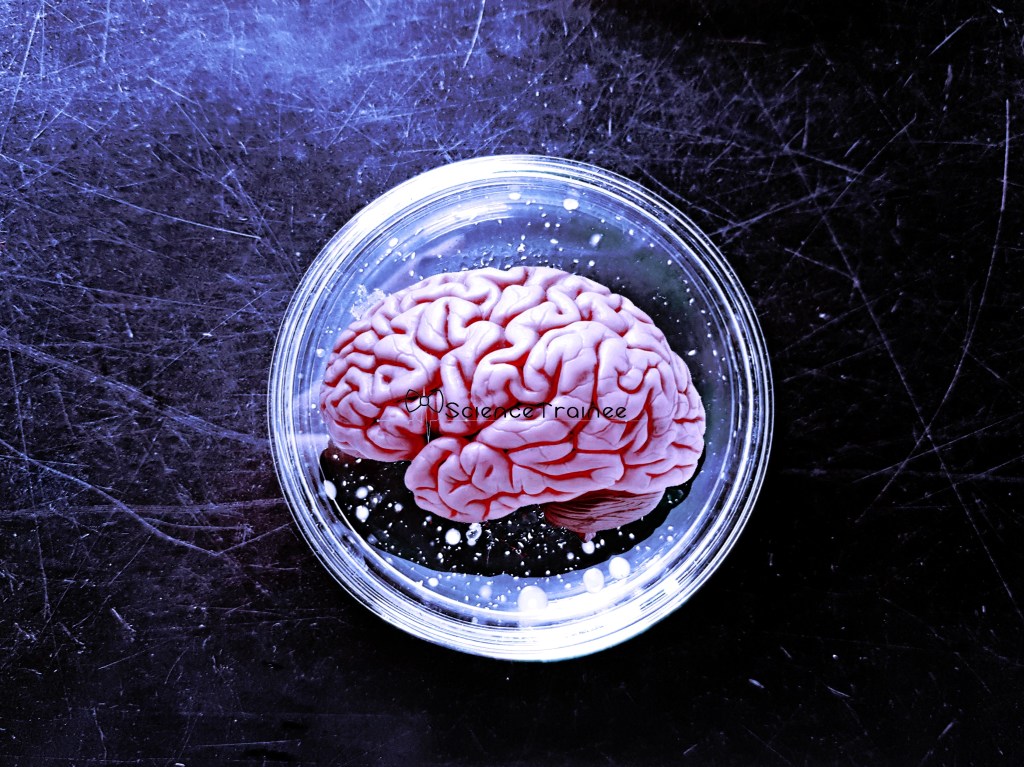
For example, I was working on mucus secretion in lung physiology. A year later, I red papers from new CAR-T/TCR-T therapy leader, and I connected mucosal biology to broader immunology questions, including next-generation CAR-T strategies (as discussed in my [https://www.linkedin.com/pulse/listening-immune-conversation-cytokines-microbial-ivana-radosavljevi%C4%87-l2v5e).
In my current GMP environment, I apply systems thinking and pattern recognition daily. I initiated ´QC Talks´, a mini-symposium for colleagues, where I presented my own data as a case study exploring an ethical dilemma and a created deviation. I used this opportunity to teach responsible self-reporting and to show that deviations are not punishments or reflections of incompetence, but essential tools for maintaining quality and learning in GMP systems. This approach helped colleagues understand both ethical responsibility and systemic thinking, fostering a safer and more informed work culture.
Apart from that, despite my ´formal structured educational advanced immunology training´, with the little help of senior collegues, presented as advanced concepts as modular CAR-T strategies – but in enganing, interactive way. And of course – fostering cross-departmental communication and trust, and in between management and workforce.
Across labs, workshops, and teaching initiatives like ImmunoCards and ´100 Days of Immunology´ I apply this mindset to integrate insights across disciplines, making complex science accessible while uncovering novel research opportunities.
My long-term vision is to contribute to immunology and cellular therapy in ways that are rigorous, innovative, and human-centered — creating spaces where cognitive diversity is valued, emotional safety is prioritized, and thinking differently is recognized as a superpower.
 Ivana Radosavljević | Immunotherapy Scientist | Living and Breathing Immunology